%2Ffit-in%2F250x250%2Fguide_websites%2F7454%2Fimages%2Ftight_lines_guide.png&w=1200&q=100)
Tight Line Guides Fishing Charter in St Cloud
Crappie Fishing in St. Cloud, FL
5.0

1 Review
- 5
 100%
100% - 4
 0%
0% - 30%
- 20%
- 10%
%2F%2Fusers%2F4893905c-ae48-4db2-bf52-b487094b754a%2Fimages%2Fcrappie-catch-wild-willys-airboat-7065.png&w=1200&q=75)
The Pomoxis Nigromaculatus belongs to the order Perciformes and family Centrarchidae. Crappie typically measure between 4 and 19 inches in length, with weights reaching up to 5 pounds for trophy specimens. - Primarily inhabit rivers and lakes with abundant structure and cover. - Black Crappie (Pomoxis nigromaculatus) and White Crappie (Pomoxis annularis) are the two main species found in North American waters.
Guided Fishing Trip by Captain Brandon Sizemore in December
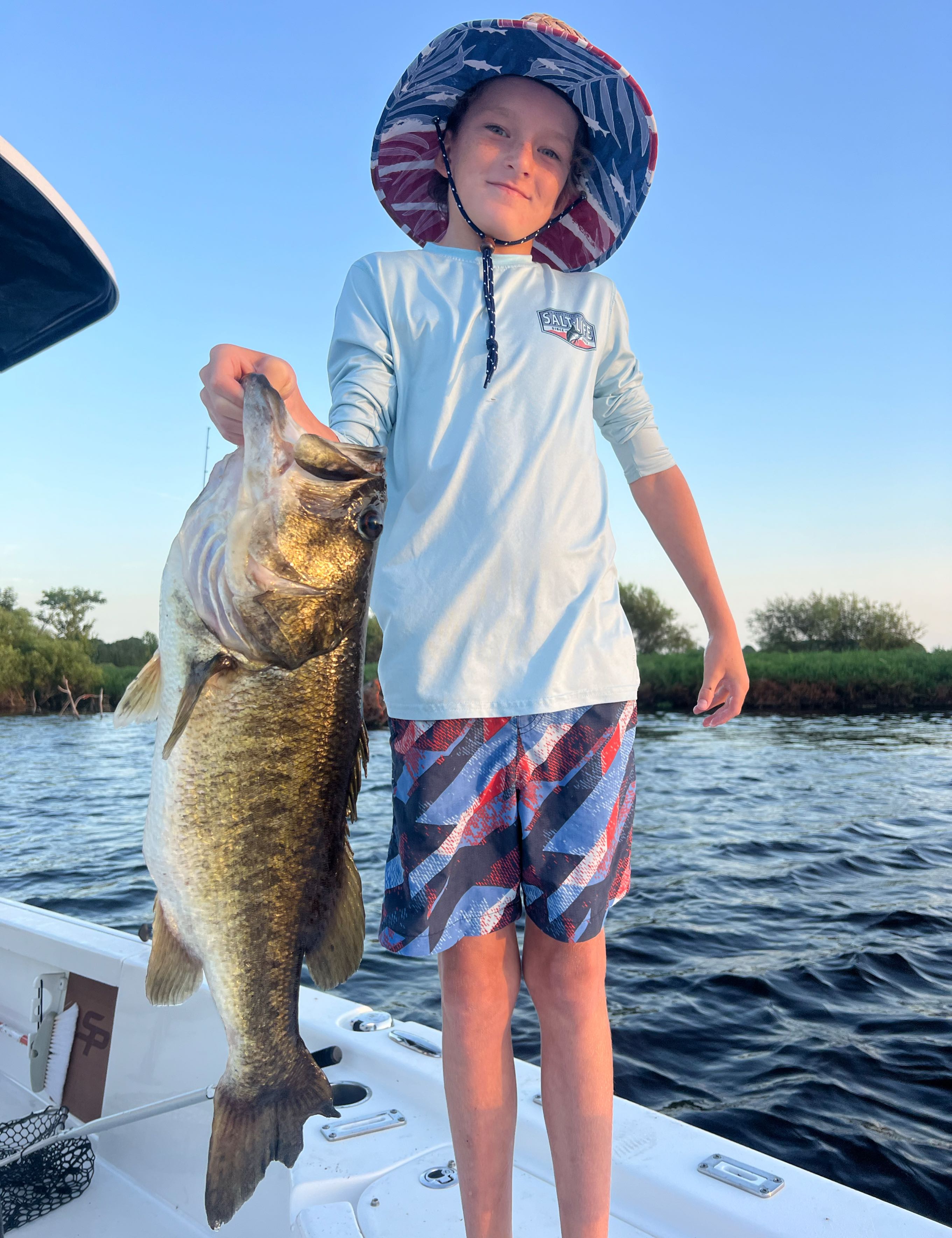
Meet your Captain Brandon Sizemore
- Experience the Thrill of Fishing in Port Canaveral


Summary
Experience excellent crappie fishing on Lake Tohopekaliga with Tight Line Guides in St. Cloud, FL. This Thursday October trip with Captain Brandon Sizemore showcases the perfect conditions for targeting crappie using jigging, casting, and trolling techniques. Lake Toho offers outstanding structure and cover that these panfish love, making it a premier destination for family-friendly fishing trips. The 4-hour morning charter is designed for anglers of all skill levels and provides the ideal balance of action and relaxation. Whether you're looking to introduce kids to fishing or simply enjoy some quality time on the water, this guided fishing trip delivers the local knowledge and techniques needed for a successful day on one of Central Florida's most productive lakes.
Fishing Charter with Brandon Sizemore – Rates & Booking
Captain Brandon Sizemore of Tight Line Guides offers this Thursday October trip for anglers wanting to experience the excellent crappie fishing that Lake Tohopekaliga is known for. This 4-hour morning charter is priced perfectly for families and small groups, accommodating up to 6 guests with all necessary fishing gear included. Departing at 7:00 AM, you'll get the benefit of prime early morning fishing conditions when crappie are most active. Captain Brandon's local knowledge ensures you'll be in the right spots at the right time, utilizing effective jigging, casting, and trolling techniques tailored to the current conditions. Just bring your Florida fishing license, some snacks, and drinks for a comfortable morning on the water. Book your trip online today to secure your spot – these family-friendly charters fill quickly during peak seasons!
Highlights of Family-Friendly Half Day Crappie And Bass Fishing Charter In Lake Tohopekaliga
Lake Tohopekaliga (Lake Toho) offers some of the best crappie fishing in Central Florida, with consistent action throughout the year. Captain Brandon specializes in light tackle approaches that make fishing accessible and enjoyable for all ages and skill levels. The morning trip provides the perfect blend of activity and comfort, with partly cloudy conditions creating ideal fishing weather during this outing.
The variety of fishing techniques employed keeps everyone engaged – from jigging around structure to casting in shallower areas and trolling to cover more water efficiently. Lake Toho's diverse habitat provides excellent opportunities for crappie fishing, with plenty of structure and cover where these popular panfish gather. The 4-hour duration is perfect for families with younger anglers who might not be ready for a full-day charter but still want a genuine fishing experience with plenty of action.
Local Species Insights: Crappie
Crappie are one of Lake Tohopekaliga's prized panfish, offering excellent sport on light tackle. These fish relate strongly to structure and cover, making the lake's abundant habitat perfect for targeting them. In fall months around St. Cloud, crappie begin transitioning toward shallower areas as water temperatures change, creating excellent fishing opportunities using jigging techniques around brush piles and dock structures. Captain Brandon's local knowledge allows him to target these fish efficiently regardless of seasonal patterns, using specialized light tackle approaches that maximize your chances of success. For anglers visiting central Florida, Lake Toho's crappie fishery represents one of the area's best-kept secrets – a chance at quality fish without the pressure found on more heavily fished waters.
Plan Your Fishing Charter Day
When preparing for your Lake Tohopekaliga fishing trip with Tight Line Guides, dress appropriately for the weather and wear non-skid shoes suitable for a boat. The charter accommodates up to 6 guests comfortably, making it perfect for family outings or small groups of friends. Captain Brandon provides all necessary fishing equipment, including rods, reels, tackle, and bait, so you can travel light. Remember to bring your Florida fishing license, sun protection (hat, sunglasses, sunscreen), and any preferred snacks or drinks. The morning departure at 7:00 AM takes advantage of prime fishing conditions, and the 4-hour duration offers plenty of time on the water without overwhelming younger or less experienced anglers. The boat is equipped with safety gear and comfortable seating to ensure an enjoyable experience for everyone aboard.
Fishing in Lake Toho: Crappie
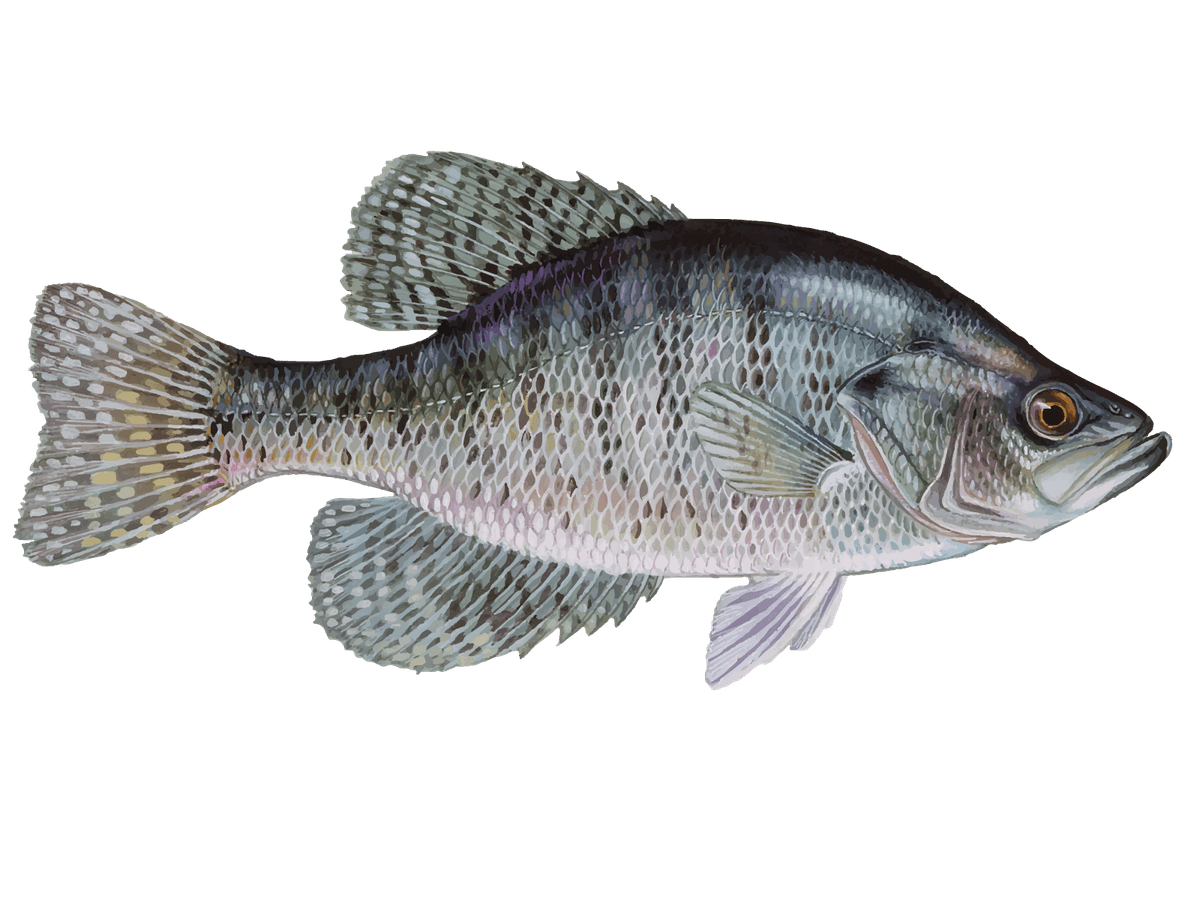
Crappie (Pomoxis nigromaculatus), known colloquially as "specks" or "papermouth," belong to the Centrarchidae family and Perciformes order. These popular panfish are distinguished by their laterally compressed bodies, silvery coloration with dark mottling, and large dorsal fins. In St. Cloud waters this October, crappie fishing reaches a prime period as water temperatures begin to moderate and fish become more active around structure.
Crappie Overview
Crappie are highly sought-after freshwater gamefish native to North America, prized for both their sporty fight on light tackle and excellent table fare. They're schooling fish that typically gather around structure, making them popular targets for both recreational and tournament anglers. The two main species—Black Crappie (Pomoxis nigromaculatus) and White Crappie (Pomoxis annularis)—share many characteristics but can be distinguished by their markings and dorsal spine count.
Crappie Habitat and Distribution
Crappie thrive in lakes, reservoirs, and slow-moving rivers with abundant cover and structure. They prefer clear to moderately stained water and are often found near brush piles, fallen trees, dock pilings, and weed edges. In Lake Tohopekaliga near St. Cloud, crappie are particularly abundant around the lake's extensive bulrush lines, submerged vegetation, and artificial fish attractors that provide perfect ambush points for these structure-oriented predators.
Crappie Size and Weight
Typical crappie range from 4 to 19 inches in length, with average specimens measuring 8-12 inches. While most crappie weigh under a pound, trophy specimens can reach up to 5 pounds. In Lake Tohopekaliga, a 1-2 pound crappie is considered a quality catch, with the lake consistently producing good numbers of these "slab" sized fish that make for both exciting fishing and excellent eating.
Crappie Diet and Behavior
Crappie are primarily carnivorous, feeding on small minnows, insects, crustaceans, and zooplankton. They're visual feeders that tend to be most active during dawn and dusk, though in cooler months they may feed throughout the day. Crappie typically suspend at various depths depending on water temperature, light penetration, and food availability. Their schooling behavior means that once you locate one, you've likely found many more in the same area.
Crappie Spawning Season
Crappie spawn when water temperatures reach 62-65 degrees Fahrenheit, typically occurring in spring (March through May in Florida). Males build shallow nests in protected areas near shore, often in colonies. During spawning, crappie become highly aggressive and territorial, making this an excellent time for anglers to target them. After spawning, they move to deeper structure where they spend much of the summer and fall.
Crappie Fishing Techniques
Vertical jigging with small jigs (1/16 to 1/8 oz) in various colors is the classic approach for crappie. Light spinning tackle with 4-6 pound test line provides the sensitivity needed to detect their subtle bites. In Lake Tohopekaliga during October, anglers around St. Cloud find success spider-rigging (slow trolling with multiple rods) along channel edges and suspended brush piles. Live minnows under small floats remain highly effective, particularly when fish are less active. For more active fish, casting small jigs or micro crankbaits around visible structure can trigger reaction strikes.
Crappie Is It Good to Eat?
Crappie are considered among the best-tasting freshwater fish, with sweet, mild white flesh that's firm yet flaky when cooked. They're low in mercury and rich in protein and omega-3 fatty acids. Most anglers prefer to fillet crappie and prepare them through simple cooking methods like pan-frying with a light breading or baking with herbs and lemon. Their relatively boneless fillets make them especially popular for fish fries and family meals.
Crappie Frequently Asked Questions
Q: What is the best bait for crappie?
A: Live minnows are considered the gold standard for crappie bait, but artificial options like tube jigs, marabou jigs, and small soft plastics in white, chartreuse, or pink colors are also highly effective, especially when tipped with a wax worm or minnow.
Q: Where can I find crappie near St. Cloud?
A: Lake Tohopekaliga offers excellent crappie fishing opportunities, particularly around submerged brush piles, bulrush edges, and artificial fish attractors. The deeper holes adjacent to vegetation are particularly productive during fall and winter months.
Q: Is crappie good to eat?
A: Yes, crappie are considered among the best-tasting freshwater fish with mild, sweet white flesh that's perfect for pan-frying. They have few bones once filleted properly and are low in mercury while being rich in protein.
Q: When is the best time to catch crappie?
A: Early morning and evening hours typically produce the best crappie fishing, though in cooler months like October through March, they may bite throughout the day. Spring (spawning season) and fall are generally considered prime crappie fishing seasons in the St. Cloud area.
Q: What's the difference between Black and White Crappie?
A: Black Crappie have irregular dark spots or speckles with no distinct pattern and 7-8 dorsal spines, while White Crappie have more organized vertical bars and 5-6 dorsal spines. Black Crappie generally prefer clearer water with more vegetation.
Q: What size hooks should I use for crappie?
A: Small hooks in sizes #4 to #8 are ideal for crappie fishing, as they have relatively small mouths. Aberdeen-style hooks are particularly popular as they're less likely to injure the fish if practicing catch and release.